


 Admin
Admin 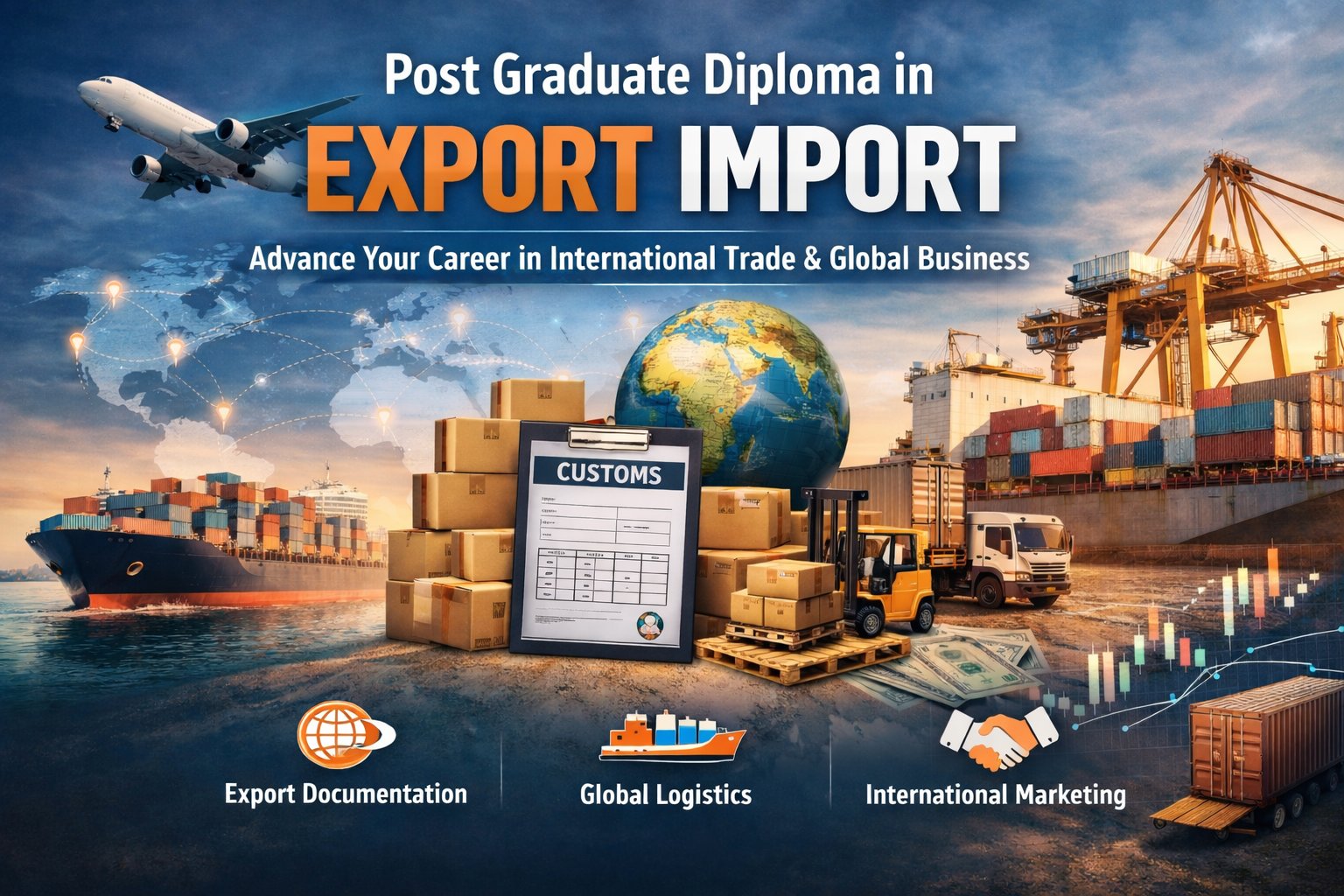
Introduction
Understanding the Post Graduate Diploma in Export Import
A Post Graduate Diploma in Export Import is a specialized program. It focuses on international trade and global business practices. The course prepares students for a career in export and import management. Many companies look for professionals with knowledge in this area. Students learn about regulations, documentation, and logistics. The curriculum includes legal frameworks, payment methods, and customs procedures. This diploma offers a solid foundation for trade professionals. It builds confidence to manage cross-border transactions.
The field of export and import is dynamic. Globalization has increased demand for skilled managers. The program covers the latest trends in international trade. It helps students adapt to changing market requirements. The course content is updated regularly to include new policies. This ensures graduates are ready for real-world challenges.
Importance of Export Import Education
Export and import activities are vital for any country’s economy. Skilled professionals are needed to streamline these operations. The Post Graduate Diploma in Export Import teaches critical skills. These include negotiation, risk assessment, and supply chain management.
Organizations rely on trained managers to handle foreign trade. Proper education reduces costly errors in documentation and compliance. The program provides an in-depth understanding of trade laws. Graduates can help their employers expand into global markets.
Who Should Consider This Program?
The Post Graduate Diploma in Export Import is suited for graduates from any stream. Working professionals seeking career growth can also benefit. Entrepreneurs planning to start an export-import business find it valuable. The program does not require prior experience in international trade.
A wide range of industries hire diploma holders. These include manufacturing, shipping, logistics, and retail. The course opens doors to multiple career opportunities. The skills gained are relevant to both small businesses and large corporations.
Below is a table summarizing potential candidates and benefits:
| Candidate Type | Potential Benefit |
|---|---|
| Fresh Graduates | Entry-level roles in trade firms |
| Working Professionals | Career advancement |
| Entrepreneurs | Business setup skills |
| Business Owners | Expansion into global markets |
What is a Post Graduate Diploma in Export Import?
Overview of the Program
A Post Graduate Diploma in Export Import is a specialized course. It focuses on teaching students about global trade and business processes. The program covers export-import regulations, documentation, and international marketing. It is designed for graduates who want to enter the field of export and import management. The diploma aims to build practical knowledge in trade operations and compliance.
The curriculum often blends theoretical concepts with real-world case studies. Students learn about shipping, customs laws, and risk management. The course content can also include finance, logistics, and supply chain management. This diploma is ideal for those aiming to work in global business environments. It provides a platform for developing key skills in cross-border trade.
Key Components and Subjects Covered
The Post Graduate Diploma in Export Import covers several core areas. Common subjects include international trade policy, foreign exchange management, and export-import documentation. Students study international business law and trade logistics. These subjects provide a holistic understanding of how goods and services move across borders.
Many programs include modules on market research and global supply chain strategies. Participants learn to navigate complex regulations and manage documentation efficiently. The curriculum prepares students for roles that require analytical and decision-making skills. It helps them understand trade barriers and the legal framework governing exports and imports.
Course Format and Eligibility
Most Post Graduate Diploma in Export Import programs follow a modular or semester system. The duration typically ranges from six months to one year. Some institutes offer full-time, part-time, or online learning options. This flexibility allows professionals and fresh graduates to enroll according to their schedules.
Eligibility requirements usually include a bachelor’s degree from a recognized university. Some programs may also consider work experience in business or commerce. The admission process may involve an entrance test or an interview. Course fees and duration can vary by institution, so it is important to review program details before applying.
| Subject Area | Key Topics |
|---|---|
| Export Import Documentation | Shipping, Customs, Trade Documents |
| International Marketing | Market Entry, Global Strategies |
| Trade Logistics | Supply Chain, Warehouse Management |
| Foreign Exchange Management | Currency Risk, Trade Finance |
| Business Law | International Agreements, Regulations |
Curriculum and Structure of the Program
Core Subjects and Modules
The Post Graduate Diploma in Export Import covers a wide range of core subjects. These include international trade laws and export documentation. Students learn about foreign exchange regulations and customs processes. The curriculum also focuses on logistics management and shipping procedures. Each module is designed to give students practical skills. Faculty combine theory with case studies for a deeper understanding. The program also includes training on trade finance and letter of credit.
Coursework covers topics like international marketing and product sourcing. Trade policies and strategies are also discussed. Students gain insight into real market scenarios through project work. These core subjects build a solid foundation for export import careers.
Practical Training and Industry Exposure
A key feature is the focus on hands-on learning. Internships and industry projects form part of the program structure. Students are placed with export houses and freight forwarding companies. This exposure helps them understand business operations in real time. Workshops and seminars with industry experts are also organized.
Table: Key Practical Components
| Component | Description |
|---|---|
| Internship | Placement with industry partners |
| Live Project | Work on actual export/import assignments |
| Seminars | Sessions led by practitioners and experts |
These experiences add value to classroom learning. Students apply their knowledge in real-world settings. This bridge between theory and practice enhances job readiness.
Duration and Assessment Pattern
The diploma program usually spans 1 year. Classes are held on weekdays or weekends, depending on the institute. The structure includes classroom lectures, group discussions, and interactive sessions. Assessments take place through written exams and project evaluations. Some institutes may also conduct presentations and viva.
A typical schedule allows working professionals to balance studies and job commitments. Continuous assessment ensures that learning outcomes are met. This rigorous structure prepares graduates for daily challenges in the export import sector.
Career Opportunities after Completing the Diploma
Roles in Export and Import Management
A Post Graduate Diploma in Export Import opens doors to multiple roles. Graduates are often hired as export managers, import managers, and supply chain executives. Some work as documentation experts who handle compliance and trade documentation. These positions are key in companies trading goods internationally. Many manufacturing and trading firms prefer candidates with specialized knowledge in export import processes.
Customs brokerage is another area where diploma holders can shine. They assist in clearing goods at customs, ensuring all regulations are met. Knowledge in international logistics is valued for roles managing shipment coordination and tracking. Strong analytical and problem-solving skills are important in these positions, as is a deep understanding of global markets.
Employment in Logistics and Supply Chain
The logistics and supply chain sector is a major recruiter of diploma graduates. Logistics coordinators manage the storage and movement of goods across borders. Their tasks include route planning, warehouse management, and inventory control. Professionals may also oversee freight forwarding, working with shipping lines and airlines.
Table: Key Career Roles in Logistics and Supply Chain
| Role | Typical Responsibilities |
|---|---|
| Logistics Coordinator | Route planning, shipment tracking |
| Supply Chain Executive | Inventory management, process optimization |
| Freight Forwarder | Liaison with shipping providers |
Many join multinational logistics companies or export houses. Some work in import-export divisions of retail and e-commerce giants. Employers value the practical insights gained from the diploma program.
Opportunities in Consultancy and Entrepreneurship
Consultancy is a promising path for diploma holders. Many help companies expand into new international markets. They advise on trade regulations, customs duties, and risk management. Some become freelance consultants, offering support to small and medium enterprises.
Entrepreneurship is another viable route. Graduates may launch their own export import businesses or start logistics consultancies. The diploma provides the industry knowledge needed to handle regulations, documentation, and global supplier relationships. Success in these ventures relies on strong networking and up-to-date market knowledge.
Conclusion
The Value of a Post Graduate Diploma in Export Import
A Post Graduate Diploma in Export Import prepares students for the complexities of global trade. The curriculum covers essential areas like international marketing, logistics, and customs documentation. This knowledge is crucial for those who want to succeed in the export-import industry. Professionals with this qualification become assets to companies seeking growth beyond national borders. They understand regulations, risk management, and legal frameworks that shape international commerce.
Employers in logistics, shipping, and trading sectors value this credential. The diploma provides practical skills and theoretical foundations that are vital in today’s global economy. It also helps graduates handle negotiations, documentation, and compliance efficiently. These abilities reduce costly errors and improve business outcomes.
Career Prospects and Industry Demand
The export-import sector offers diverse career paths for diploma holders. Roles include export manager, import executive, freight forwarder, and documentation specialist. The demand for these professionals continues to rise as businesses expand into international markets. Companies seek individuals who can navigate complex global supply chains. A Post Graduate Diploma in Export Import opens doors to jobs in multinational corporations, government agencies, and private firms.
Below is a table showcasing typical job roles and potential employers:
| Job Role | Potential Employers |
|---|---|
| Export Manager | Trading Companies, MNCs |
| Import Executive | Shipping Firms, Retail Chains |
| Documentation Officer | Logistics Agencies, Customs |
| Freight Forwarder | Freight Companies, Airlines |
Lifelong Benefits and Professional Growth
This qualification does more than boost your resume. It encourages continuous learning and adaptation, both essential in dynamic markets. Graduates gain analytical skills, cultural awareness, and strategic thinking. These abilities support long-term advancement in supply chain management and international business.
Many professionals also choose to pursue certifications or advanced degrees after completing the diploma. The knowledge gained lays a solid foundation for future specializations. Whether starting a new career or looking to enhance existing expertise, a Post Graduate Diploma in Export Import remains an important investment.