


 Admin
Admin 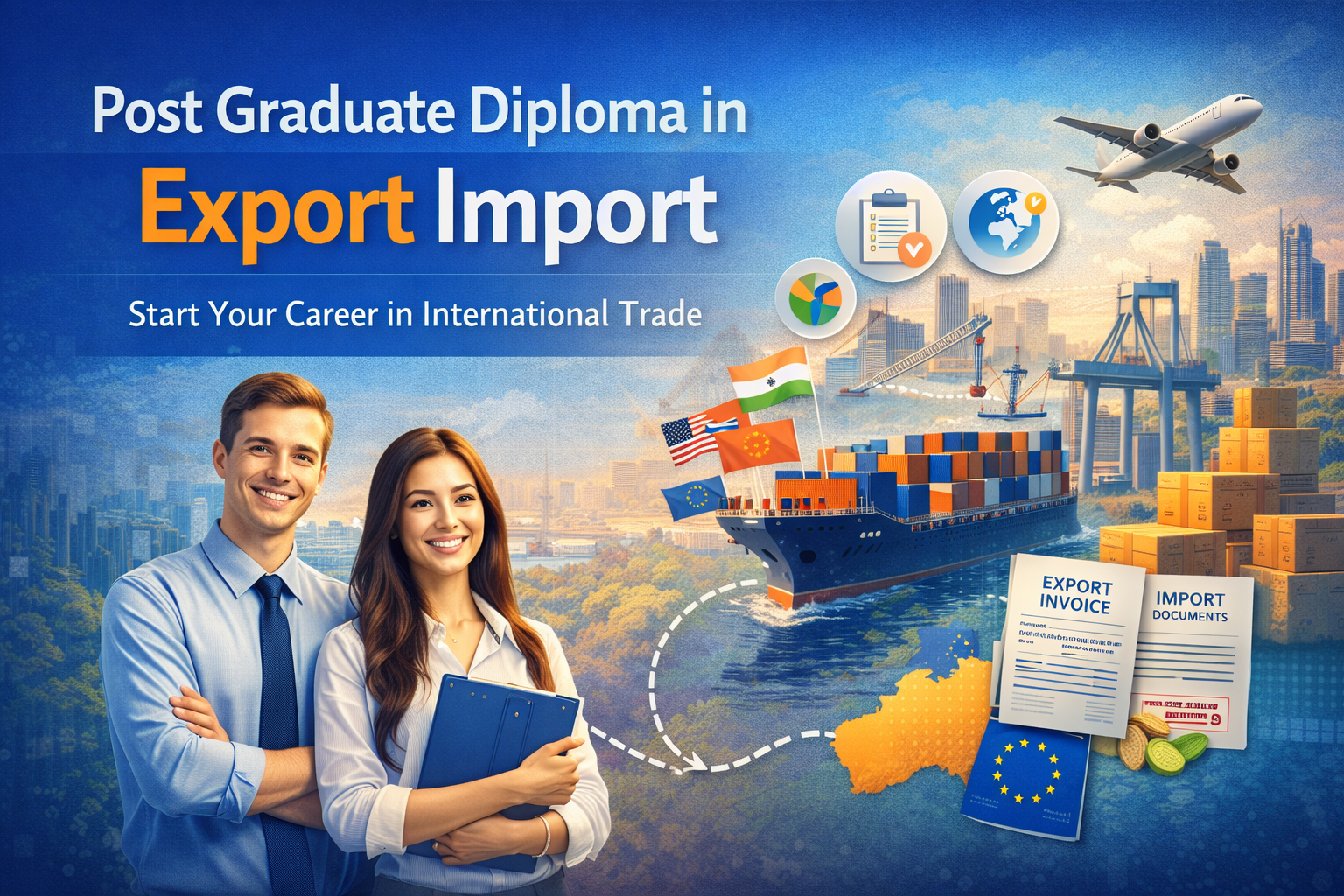
Introduction
The Growing Importance of Export Import Education
The global economy is more connected than ever. Businesses now operate across continents. This creates a strong demand for professionals skilled in export and import processes. A Post Graduate Diploma in Export Import has become a valuable qualification for those seeking to enter this field. It equips students with the practical knowledge needed to navigate international trade.
Export-import operations are complex. They involve documentation, regulations, logistics, and risk management. Companies require trained individuals to handle these responsibilities effectively. The right educational background can provide a strong foundation for a successful career in this sector.
What is a Post Graduate Diploma in Export Import?
A Post Graduate Diploma in Export Import is a specialized program. It covers topics such as international marketing, customs regulations, and foreign trade policy. Students also learn about logistics, supply chain management, and international finance. The curriculum is designed to provide a comprehensive understanding of global trade practices.
This diploma is suitable for recent graduates and working professionals. It offers both theoretical insights and practical skills. Case studies, group discussions, and real-world projects are common teaching methods. These help students develop the abilities required for this fast-paced industry.
Who Should Consider This Program?
Individuals interested in international business will benefit from this course. It is ideal for those looking to start a career in export and import management. Business owners planning to expand overseas can also gain valuable knowledge. The diploma helps professionals understand export documentation, trade finance, and compliance aspects.
A Post Graduate Diploma in Export Import can enhance career prospects. Roles in shipping companies, export houses, and multinational corporations become accessible. With global trade evolving, specialized skills in export-import are sought after. This makes the diploma a relevant and strategic educational choice.
Course Curriculum and Structure
Core Modules and Subjects
The Post Graduate Diploma in Export Import features a comprehensive curriculum. It covers all major aspects of international trade. Students begin with foundational subjects, including export-import documentation, global trade regulations, and international marketing. The course dives deep into customs procedures and foreign exchange management. These core modules ensure students understand the entire export import lifecycle.
Legal and regulatory compliance is a key focus. Learners study international contracts, trade finance, and logistics. The curriculum also covers Incoterms, risk management, and global supply chain strategies. Each subject blends theory with practical examples from real trade scenarios. This balance helps students grasp both concepts and their applications.
Practical Training and Skill Development
The course structure emphasizes hands-on training. Students take part in workshops, live projects, and case studies. These activities help develop practical skills essential for export import operations. Role-plays and simulations are frequently used to mimic real-world business challenges. Learners get to practice negotiation, documentation, and shipment handling.
Many programs partner with export-import firms and logistics providers. This gives students access to industry internships. Internships bridge the gap between academic learning and professional experience. Skill development modules also include communication, digital trade tools, and compliance software.
Duration, Assessment, and Flexibility
The typical duration of the Post Graduate Diploma in Export Import is one year. Some institutes offer flexible modes like weekend or online classes. This makes the course accessible to working professionals. Assessments are a mix of written exams, project submissions, and presentations.
Continuous evaluation ensures students keep pace with the curriculum. Grading is based on both theoretical knowledge and practical performance. The flexible structure allows learners to balance education with their personal and professional commitments. Below is a sample structure:
| Module | Duration | Assessment Type |
|---|---|---|
| Export Documentation | 2 months | Written Exam, Project |
| Customs Procedures | 1.5 months | Case Study, Presentation |
| International Finance | 2 months | Written Exam |
| Practical Internship | 2 months | Project, Report |
Career Opportunities
Export-Import Management Roles
A Post Graduate Diploma in Export Import opens doors to many roles in this sector. Graduates can become export managers or import managers. These professionals oversee the movement of goods and ensure compliance with regulations. They handle processes from documentation to shipment tracking.
Roles in customs and logistics are also common. Companies value skills in handling customs clearance and international supply chains. Graduates support efficient global trade and maintain accurate records. This diploma gives a foundation for these responsibilities.
Specialized Industry Positions
Many industries seek experts in export-import operations. You can work in sectors like pharmaceuticals, textiles, agriculture, or technology. Professionals with this diploma manage contracts, prepare paperwork, and handle negotiations. They coordinate with international clients and ensure smooth delivery of goods.
Positions such as trade compliance analyst or export coordinator are possible. Companies need employees who monitor regulations and reduce risks. Graduates may work in banks as trade finance officers, handling export-import transactions and advising clients.
Opportunities in Consulting and Entrepreneurship
Consulting firms often hire export-import specialists. Graduates advise businesses on regulations and strategies to enter global markets. They help improve supply chain efficiency and identify new trade opportunities. These roles require knowledge of global trends and documentation standards.
There are also paths for those interested in entrepreneurship. Many graduates start their own export-import firms or consultancies. This qualification gives the confidence to navigate international trade independently and build a business model around global commerce.
Benefits of Pursuing the Diploma
Enhanced Career Opportunities
A Post Graduate Diploma in Export Import opens many doors in the global trade sector. Graduates find roles in logistics, supply chain, customs clearance, and documentation. Many companies seek professionals with expertise in international trade regulations.
This diploma equips you with specialized knowledge for handling both export and import operations. The curriculum covers international shipping, INCOTERMS, and trade finance. Understanding these areas is essential for businesses working across borders. With this qualification, your resume stands out in a competitive job market.
Practical Skills and Industry-Relevant Knowledge
The diploma program emphasizes real-world skills. You learn how to handle documentation, manage shipping logistics, and navigate customs processes. The training includes case studies and industry visits, which help you understand current practices.
Many institutes use simulations to teach negotiation and trade management. This hands-on approach builds confidence to work in export import companies. By the end of the program, you know how to solve challenges in international trade.
Networking and Growth Opportunities
Enrolling in a Post Graduate Diploma in Export Import connects you with industry professionals. You get access to guest lectures, seminars, and alumni networks. These connections can lead to job referrals or collaborations.
Some institutes also offer placement assistance, making it easier to enter the workforce. Networking with peers provides insight into market trends and new regulations. This diploma not only builds your skills but also keeps you informed about industry changes.
Conclusion
Key Benefits of a Post Graduate Diploma in Export Import
A Post Graduate Diploma in Export Import provides essential knowledge about global trade. Students develop skills in documentation, logistics, and international business law. This background opens up new career opportunities across various sectors. Many graduates secure roles in shipping, customs, and trade compliance. Organizations often value professionals with these specialized skills.
The curriculum covers practical aspects of export-import processes. Coursework includes hands-on training in supply chain management and foreign exchange. Case studies help students understand real-world challenges. The program fosters both technical and managerial capabilities. This dual focus prepares graduates to meet industry needs.
Career Prospects and Industry Appeal
There is a strong demand for experts in export and import management. Companies want employees who understand international markets and trade regulations. A Post Graduate Diploma in Export Import can make candidates stand out to employers. Graduates often find work with logistics firms, multinational companies, and export houses. Others may pursue entrepreneurship in global trade.
The skills gained are relevant for government roles as well. Customs departments and export promotion councils seek professionals with this educational background. Advanced learning in trade documentation, banking procedures, and market research is highly valued. Many graduates advance quickly in their fields thanks to their specialized training.
Lifelong Value and Growth Opportunities
The knowledge from this diploma remains relevant as global trade evolves. Graduates keep pace with industry changes and adapt to new regulations. The course creates a foundation for further studies or certifications. Professionals can also expand their networks through alumni and industry connections.
A Post Graduate Diploma in Export Import leads to personal and professional growth. It equips individuals with tools to succeed in the international business arena. This qualification continues to offer value throughout one’s career.