


 Admin
Admin 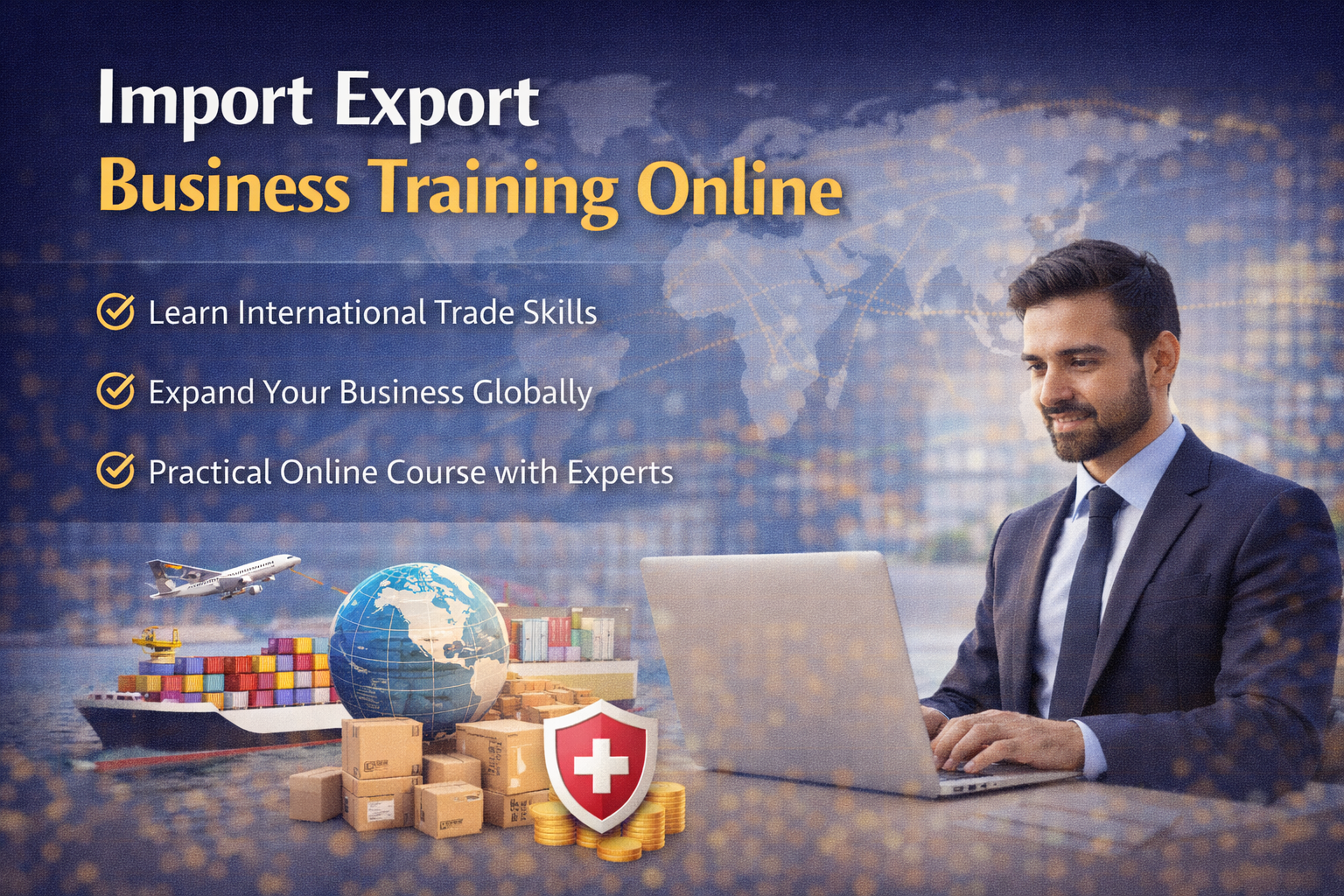
Introduction to Import Export Business
What Is Import Export Business?
Import export business involves trading goods and services between countries. Companies buy products from one country and sell them in another. This trade connects markets and gives access to a wide range of items. Successful importers and exporters manage logistics and regulations. They also adapt to different cultures and standards.
The import export business is vital for the global economy. It allows countries to access resources not found locally. Many businesses seek to expand through international trade. This creates opportunities and challenges for new entrepreneurs.
Major Components of Import Export Business
Several key elements form the foundation of import export business. These include sourcing products, shipping, customs clearance, and payment terms. Each step requires knowledge and attention to detail. Mistakes can be costly. Reliable suppliers and buyers are key to long-term success. Good relationships help avoid delays and disputes.
International trade rules and documentation are also critical. Importers and exporters need to follow trade agreements. They must also comply with taxes, duties, and legal standards. Understanding these rules helps avoid fines and shipment seizures.
Why Learn Import Export Business Online?
Online import export business training offers many advantages. It allows flexible learning from any location. Courses cover topics like international marketing, logistics, and documentation. Learners can practice at their own pace and schedule.
Many online programs also offer real-world case studies. They give practical tips for dealing with customs and trade regulations. Online resources help new entrepreneurs understand risks and best practices. This prepares them for real challenges in the global market.
A good training program covers everything needed to enter the import export business. It helps build confidence and skills for success in international trade.
Benefits of Online Training for Import Export
Flexibility and Convenience
Online import export business training offers unmatched flexibility. Learners can access courses at any time of the day. This allows busy professionals to balance work and study.
Participants do not need to travel to any physical location. All training materials are available from home or the office. This convenience helps learners stay consistent.
Interactive modules let users learn at their own pace. Students can revisit difficult topics as needed. This strengthens understanding over time.
Access to Expert Knowledge and Resources
Online training connects learners to experienced industry experts. Instructors often have years of real-world import export business experience. This exposure offers practical insights that are hard to find elsewhere.
Web-based courses provide a wide range of resources. These include case studies, market research tools, and export-import documentation samples. Such materials help learners understand current trends in global trade.
Many platforms offer forums and discussion boards. These encourage interaction with trainers and peers. Learners can clarify doubts and share experiences easily.
Cost Effectiveness and Global Reach
Online import export business training is cost-effective. There are no commuting costs or expenses for printed materials. Many platforms offer affordable or even free courses.
People from different countries can join the same training. This creates a global learning community. Sharing diverse experiences prepares learners for international business challenges.
Training providers often update their content quickly to reflect changes in trade regulations. Learners get up-to-date information without waiting for new editions or in-person seminars. This keeps their knowledge current and relevant.
Key Topics Covered in Online Import Export Courses
Understanding International Trade Fundamentals
Online import export courses begin with core concepts of international trade. These courses explain the basics of global commerce, trade agreements, and economic zones. Learners discover the role of importers and exporters in today’s markets. They also explore how government regulations affect cross-border transactions.
Another vital part is documentation. Courses show how to manage invoices, bills of lading, and customs paperwork. This knowledge is crucial for smooth shipping and legal compliance worldwide.
Import Export Business Procedures and Compliance
Students learn step-by-step business procedures. This includes supplier selection, negotiation tactics, and contract management. Training covers how to source products, assess suppliers, and manage payment terms. Practical skills, like risk assessment and trade finance, are featured as well.
Legal compliance and customs clearance are major topics. Courses discuss import duties, tariffs, and taxes. They help learners understand customs classifications, shipping laws, and licensing. These skills help avoid costly mistakes and ensure goods move efficiently through borders.
Marketing, Logistics, and Technology in Import Export
Marketing strategies for international markets are a key focus. Topics include market research, buyer identification, and international sales channels. Students learn how to promote goods in different regions and meet buyer expectations.
Logistics and technology round out most online import export business training. Courses cover freight forwarding, warehousing, and transportation. Technology lessons introduce digital tools for tracking, order management, and trade documentation. This prepares learners to manage modern supply chains and respond quickly to market changes.
Choosing the Right Online Training Program
Key Features to Consider
Selecting a suitable import export business training online program is essential for success. Look for courses that cover practical topics, such as customs regulations, documentation, and logistics. Ensure the curriculum includes real-world examples and case studies. Interactive features, like quizzes or assignments, can help reinforce learning.
Check whether the course provides downloadable resources, templates, and checklists. User-friendly platforms enable easy navigation and tracking of progress. Live sessions and discussion forums also add value, giving opportunities to ask questions and connect with peers.
Instructor Credentials and Course Reputation
The expertise of instructors is vital in online training. Research the trainers’ backgrounds to ensure they have hands-on experience in the import export business. Look for reviews, testimonials, and success stories from previous participants. Programs with industry accreditation or partnerships often signal higher standards.
Seek out courses with transparent instructor profiles. Check their professional networks, such as LinkedIn, for additional confirmation of their qualifications. A well-reviewed course will likely offer consistent support and guidance throughout your training journey.
Flexibility, Cost, and Certification
Online training should fit different schedules and learning styles. Select self-paced modules if you need flexibility, or live sessions for more interaction. Mobile-friendly platforms let you study from anywhere. Compare costs across similar programs to find the best value for your investment. Some courses offer free trials or money-back guarantees.
Certification is important for showcasing your skills. Choose programs that award a recognized certificate upon completion. Use the table below to compare key aspects:
| Program Feature | Importance | Example |
|---|---|---|
| Self-paced Study | High | Learn at your speed |
| Industry Certificate | Very High | Certificate of Completion |
| Instructor Support | Medium | Email, Q&A Sessions |
| Flexible Pricing | High | Discounts, Payment Plans |
By considering these factors, you can identify the most effective online training program for the import export business.
Conclusion
The Value of Online Import Export Business Training
Import Export Business Training Online provides a flexible and efficient way to gain crucial knowledge. These programs guide new and experienced business owners through the complexities of international trade. Structured courses cover customs, logistics, documentation, and global markets in clear modules. Online training breaks down barriers to entry by letting people learn at their own pace from any location.
Learning from industry experts increases confidence in managing cross-border transactions. Interactive lessons and real-world case studies make concepts easy to understand and apply. Online import export business training helps learners avoid costly mistakes with up-to-date regulations and compliance guidelines.
Key Benefits for Business Growth
Online training brings several advantages to entrepreneurs and professionals. It allows access to updated resources on global supply chains and trade practices. Many courses offer downloadable materials and lifetime access to lectures. This means business owners can revisit topics as their needs change.
Participants connect with peers and trainers through forums and discussion groups. Networking helps build relationships vital for import export business success. Certification from a trusted training provider also boosts credibility in the global marketplace.
| Benefit | Description |
|---|---|
| Flexible learning | Study at any time, from any location |
| Expert guidance | Learn from experienced industry professionals |
| Networking opportunities | Connect with other business owners and trainers |
| Certification | Gain credentials to enhance business reputation |
| Updated content | Keep up with the latest import export regulations |
Unlocking Opportunities for International Trade
Import Export Business Training Online opens doors to new markets and growth. With the right training, business owners can identify profitable products and reliable suppliers. Understanding export documentation and shipping procedures reduces risks. This knowledge is essential for efficient international transactions.
Staying updated with changing trade laws ensures compliance and smooth operations. Online programs prepare entrepreneurs for challenges in customs clearance, tariffs, and trade finance. As global commerce evolves, continuous learning remains the foundation for import export business success.