



 Admin
Admin 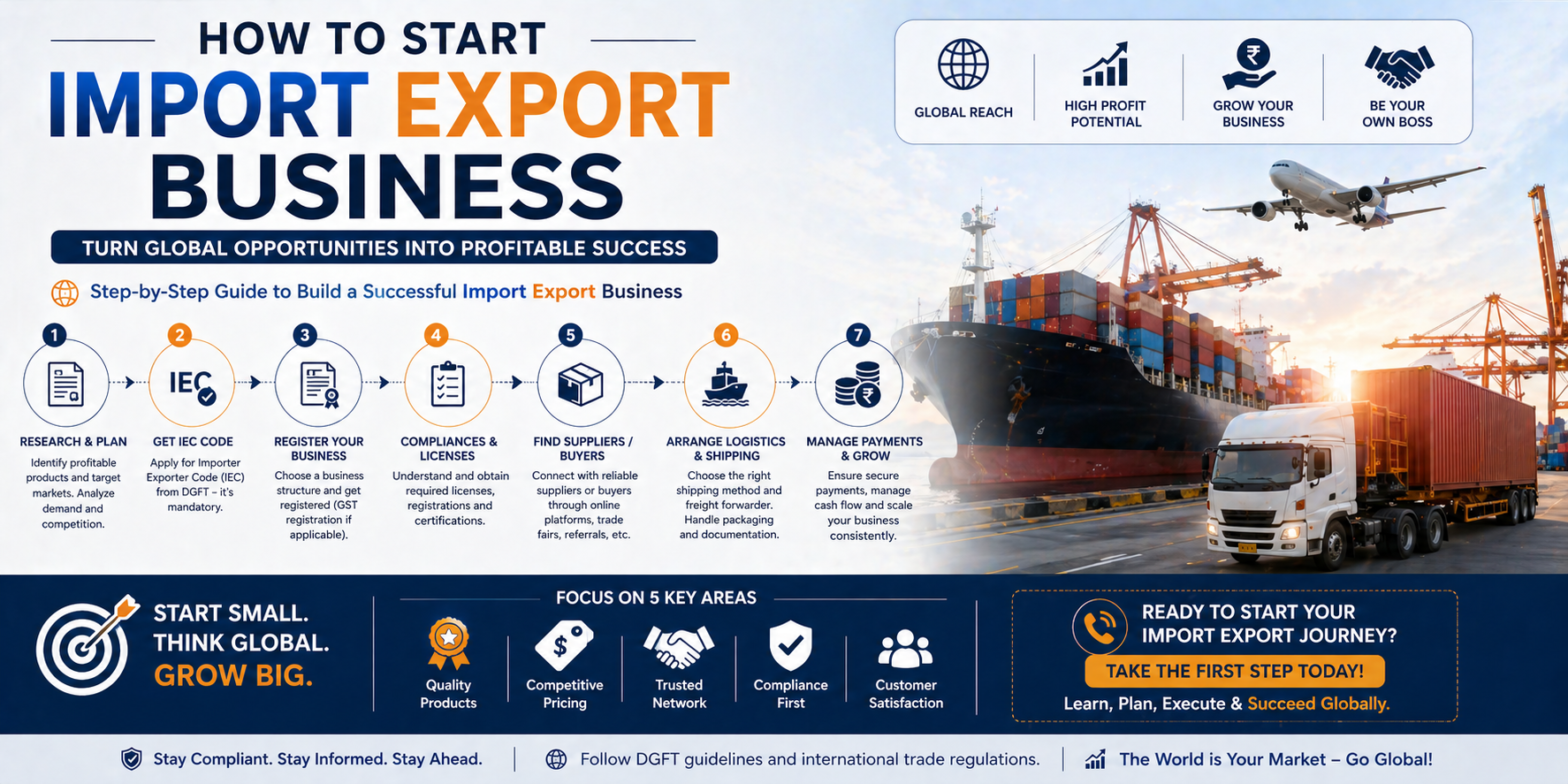
Introduction
Understanding the Import Export Business
The import export business connects local markets with the global economy. It offers entrepreneurs a chance to trade goods across borders. With increasing demand for various products worldwide, opportunities in this sector continue to grow. Many people dream of starting an import export business but are unsure where to begin. They often wonder how to manage regulations, logistics, or find the right products.
This industry requires knowledge of sourcing, international shipping, and compliance. Each step has its own challenges and rewards. Importers bring in goods that are scarce or expensive locally. Exporters sell local products in foreign markets for profit. By mastering these skills, you can build a business that reaches a global audience.
Why Start an Import Export Business?
Starting an import export business can offer flexibility and potential for growth. It allows you to work with clients and suppliers from different countries. You can explore new markets and identify gaps in local demand. Many successful companies began as small importers or exporters. They grew by adapting to trends and building strong networks.
This business can suit people with a passion for global trade, negotiation, or logistics. It often starts as a side project before becoming a full-time venture. Technology has made it easier to connect with partners abroad. Online platforms simplify product research and supplier searches.
Key Aspects to Consider Before Starting
Before launching, research is essential. You need to understand regulations, taxes, and documentation for both imports and exports. Each country has its own rules on product standards and tariffs. It is important to choose the right products and target markets. This decision affects your business model, costs, and potential profits.
Building a reliable supply chain is also important. You must select trustworthy partners and ensure secure transportation. A clear business plan helps you prepare for challenges and track your progress. By learning these steps, you can set a strong foundation for your import export business.
Understanding Import Export Basics
What is Import Export Business?
An import export business is a company that buys goods from one country and sells them in another. It connects buyers and sellers across borders. This business relies on global trade to move products.
Importers bring goods into a country. Exporters send goods out to other countries. Both types must follow specific regulations. They also have to manage logistics and international payments.
Key Terms and Processes
Understanding core terms is essential. Common keywords include customs, tariffs, shipping, and documentation. Customs refers to the government agency that checks and clears goods at borders. Tariffs are taxes placed on imported products.
Shipping includes transportation by sea, air, or land. Each method has advantages and costs. Documentation involves paperwork needed to move goods through customs and complete transactions. This includes invoices, packing lists, and certificates of origin.
| Term | Meaning |
|---|---|
| Import | Bringing goods into a country |
| Export | Sending goods to another country |
| Tariff | Tax on imported goods |
| Customs | Government agency regulating trade |
| Bill of Lading | Shipping document for goods |
Role of Regulations and Compliance
Regulations shape how import export business works. Every country has its own rules for different products. These may include safety standards, packaging rules, and quality checks. Not knowing these rules can cause delays or fines.
Compliance means following all legal requirements. This includes getting licenses or permits. It also involves adhering to restrictions on items like food, chemicals, or electronics.
Successful import export business depends on strong understanding of these basics. Knowing the flow from purchase, shipping, to delivery is key. Mastery of compliance reduces risk and builds trust with partners.
Market Research and Business Plan
Understanding Market Research
Market research is the first step before launching an import export business. It helps you identify the products in demand, target markets, and potential competitors. Through market research, you can analyze trends and evaluate where opportunities exist.
Start by studying international trade reports and databases. This will give you insight into what products are imported or exported in certain regions. You should gather data about pricing, quality expectations, and the regulatory requirements for your product category.
It is important to understand your potential buyers and suppliers. By identifying the right market, you can focus your efforts and avoid costly mistakes. Market research also reveals risks, such as political instability or changing trade laws, which can affect success.
Key Components of a Business Plan
A solid business plan is essential for any import export business. It outlines your goals, strategies, and financial projections. A good business plan attracts investors and guides your business decisions.
Your business plan should include an executive summary, market analysis, and marketing strategy. You must also explain your logistics, risk management, and operational processes. Crafting a financial plan with sales targets, costs, and profit forecasts is necessary.
The table below shows key business plan elements:
| Section | Purpose |
|---|---|
| Executive Summary | Overview of business concept and goals |
| Market Analysis | Research of target markets and competitors |
| Marketing Strategy | Plan for reaching customers |
| Operations Plan | Details of logistics and supply chain |
| Financial Projections | Estimates of revenue and expenses |
| Risk Management | Handling of potential threats |
Connecting Research with Planning
Proper market research informs every part of your business plan. Use your findings to define your product line, select suppliers, and pinpoint customer segments. This connection ensures your plan is realistic and aligns with real market conditions.
If you discover strong demand for certain products, tailor your plan to focus on those. Factor in supply chain costs, shipping routes, and customs requirements. Align marketing strategies with your research to reach international buyers.
Setting Up Your Import Export Business
Registering Your Business and Choosing the Right Structure
The first step is to officially register your import export business. Decide if you want to operate as a sole proprietorship, partnership, limited liability company (LLC), or corporation. Each structure has different tax and liability implications. Register your business name with local authorities. Obtain a federal Employer Identification Number (EIN) for tax purposes. This identification is necessary for opening a business bank account and filing taxes.
Consult with a legal or business advisor to choose the structure that best fits your needs. The decision affects your ability to secure financing and manage risks. It’s crucial to set up your business correctly before you begin trading.
Obtaining Licenses and Permits
Import export businesses require specific licenses and permits to operate legally. You may need an import export license based on your location and the products you plan to trade. Check with government agencies such as the U.S. Customs and Border Protection or your country’s equivalent. Certain goods, like food or electronics, may also need special certifications. Failing to secure permits can result in delays or legal trouble.
Prepare all documents before starting operations. A checklist can help you manage the process. Here is an example:
| Requirement | Purpose |
|---|---|
| Business Registration | Legal recognition |
| EIN or Tax ID | Taxation and banking |
| Import/Export License | Trading authorization |
| Product Certifications | Compliance with regulations |
Setting Up Logistics and Banking
Arranging logistics is essential for every import export business. Choose reliable freight forwarders and shipping partners. Understand customs procedures and international shipping terms. This prevents costly mistakes and delays at borders.
Open a dedicated business bank account. This keeps your finances organized and builds credibility with partners. Consider banks that offer global trade support and currency exchange services. Proper banking arrangements simplify international payments and protect your business from risks related to currency fluctuations.
Conclusion
Key Steps to Launching an Import Export Business
Starting an import export business involves several essential steps. Begin by researching target markets and products. Understanding regulations and trade requirements is critical for smooth operations. Proper licensing and registration are mandatory to operate legally. These steps help reduce risks and ensure compliance with local and international laws.
Building strong relationships with suppliers and buyers is crucial. Use clear contracts to define expectations and responsibilities. Reliable logistics partners support timely delivery and inventory management. Efficient financial planning and risk management protect your business from market fluctuations and unforeseen challenges.
Challenges and Opportunities
The import export business can present many challenges. Navigating customs regulations and dealing with currency fluctuations require constant attention. Market research helps identify trends and avoid costly mistakes. Adaptation and flexibility are essential to stay competitive in the global market.
With the right strategy, the sector offers significant growth opportunities. Expanding product lines and targeting new markets can increase profits. Digital platforms and e-commerce tools simplify sourcing and communication with international partners. Investing in technology supports better decision-making and efficiency.
Maximizing Success in the Industry
Success depends on continuous learning and industry awareness. Attending trade fairs and joining export associations expands your network. Staying updated on trade policies and market conditions allows quick responses to changes. Regular training for you and your team improves performance and competitiveness.
A solid business plan is the foundation of any successful import export business. Risk assessment and contingency plans help you prepare for uncertainties. Effective use of marketing and customer service sets your business apart in a crowded market.
| Step | Key Activity |
|---|---|
| Market Research | Identify target products and regions |
| Legal Requirements | Obtain licenses and permits |
| Supplier Sourcing | Build reliable partnerships |
| Logistics and Shipping | Choose efficient transport options |
| Financial Management | Monitor currency and cash flow |
Following these steps positions your import export business for growth. Careful planning and consistent effort help achieve long-term success.