



 Admin
Admin 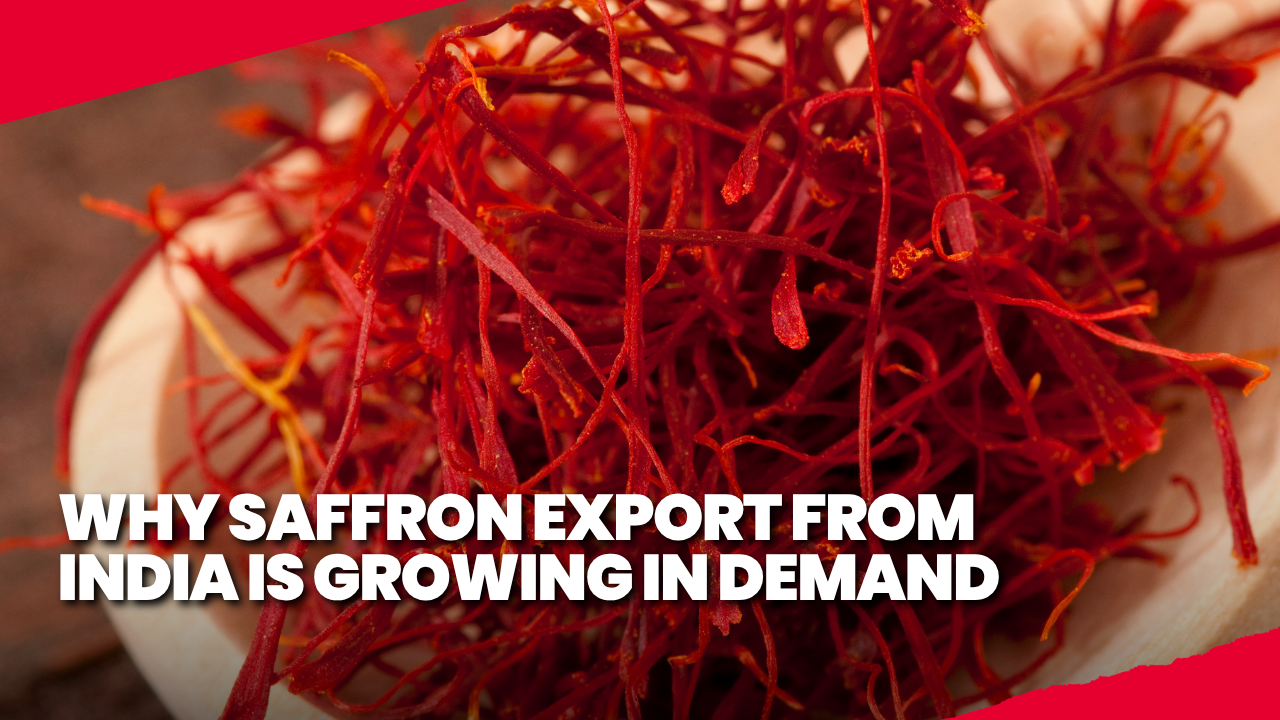
Saffron is one of the few products in which even a small quantity commands a high value, making it very different from other export commodities. Known as a premium saffron spice, it is widely used not only in cooking but also in wellness and personal care products, mainly due to its well-known saffron benefits.
The saffron market has shown steady growth, with demand increasing in the food, wellness, and personal care industries. India produces a limited quantity of saffron, mainly from Kashmir, yet it continues to maintain its export presence due to its premium quality.
At the same time, demand for saffron is expanding into new areas, such as health products and saffron supplements, especially in international markets. This growing demand, combined with limited supply, makes saffron exports from India an important and interesting segment to understand.
How Saffron Benefits Support Market Growth
One of the biggest reasons behind the increasing demand is the awareness of saffron’s benefits.
Saffron is known for its antioxidant properties and is also linked to mood support and overall wellness. As a result, it is now used in many health-related products.
This is where saffron supplement demand has increased. These products are especially popular in international markets like the US and Europe.
As consumers focus more on health and natural ingredients, saffron continues to gain attention.
India’s Position in the Saffron Export Market
India may not be the largest producer, but it has a strong position due to its quality.
Kashmiri saffron is known for its deep color and strong aroma. This makes it a preferred choice in premium markets.
Even with limited production, India continues to export saffron to several countries. Buyers who focus on quality prefer Indian saffron over cheaper alternatives.
India and Global Saffron Export Overview
| Category | Details | Key Insight |
| India Production | 6–7 tonnes annually | Limited supply but premium quality |
| Top Export Destinations | Hong Kong, UAE, USA, Saudi Arabia, UK | Strong demand across food and wellness markets |
| Global Leader | Iran | Dominates in volume production |
| Major Trade Hub | Spain | Known for re-export and branding |
| Market Position of India | Premium segment | Focus on quality over quantity |
| Key Demand Areas | Food, skincare, saffron supplement products | Expanding beyond traditional use |
| Price Level | Higher than the global average | Due to purity and origin |
India Saffron Export Snapshot
| Metric | Value |
| Annual Production | 6–7 tonnes |
| Export Quantity | 10,000–15,000 kg |
| Export Value | $0.6M – $3.6M |
| Main Region | Jammu & Kashmir |
| Peak Harvest Season | October – November |
Changing Buyer Preferences in Global Markets
Most demand was focused on traditional use in food. Now, buyers are also looking at purity, origin, and overall value.
Many international buyers prefer high-quality saffron spice with clear sourcing and proper packaging. At the same time, there is growing interest in health-based products, which is increasing demand for saffron supplement items.
Because of this shift, exporters need to understand what buyers expect. Focusing on quality, presentation, and consistency can help Indian saffron stay competitive in global markets.
Also Read This: India LPG Import: Demand Trends, Pressure and Market
Importance of Quality and Trust
In the saffron market, quality matters more than volume. Buyers expect purity, proper packaging, and reliable sourcing. Certifications and origin details help build trust.
Kashmiri saffron has gained recognition for its quality, giving Indian exporters an advantage.
Exporters who maintain consistency and transparency are more likely to build long-term relationships with buyers.
What Challenges Exporters Face
Even though demand is strong, saffron export comes with challenges.
The first challenge is limited production. Since saffron grows only in specific regions, increasing supply is not easy. Another issue is pricing. Because saffron spice is expensive, some buyers shift to cheaper options available in global markets.
There is also strong competition from countries like Iran, which produce saffron in larger quantities at lower prices.
Maintaining consistent quality is another important factor. Any compromise can affect export value and buyer trust.
What Prospects Hold for India’s Saffron Exports
The saffron export market is expected to grow steadily. Demand from both the food and wellness industries is increasing. At the same time, awareness of saffron benefits continues to rise globally.
Although production may remain limited, the focus on premium quality will help India maintain its position.
Improving supply chains and better market understanding can further support export growth.
Wrapping It Up
Saffron export from India is more about quality than quantity. Despite limited production, it continues to attract global buyers for its authenticity.
As demand expands beyond food into wellness and saffron supplement products, new opportunities are opening up. For exporters, focusing on quality and trust will make the real difference.
FAQs
Saffron spice is used in cooking, skincare products, and wellness items.
Saffron benefits include antioxidant properties, mood support, and general wellness support.
A saffron supplement is a product made using saffron extracts, usually used for health and wellness purposes.
Also Checkout Our YouTube Channel: @limeinstituteofexportimport