


 Admin
Admin 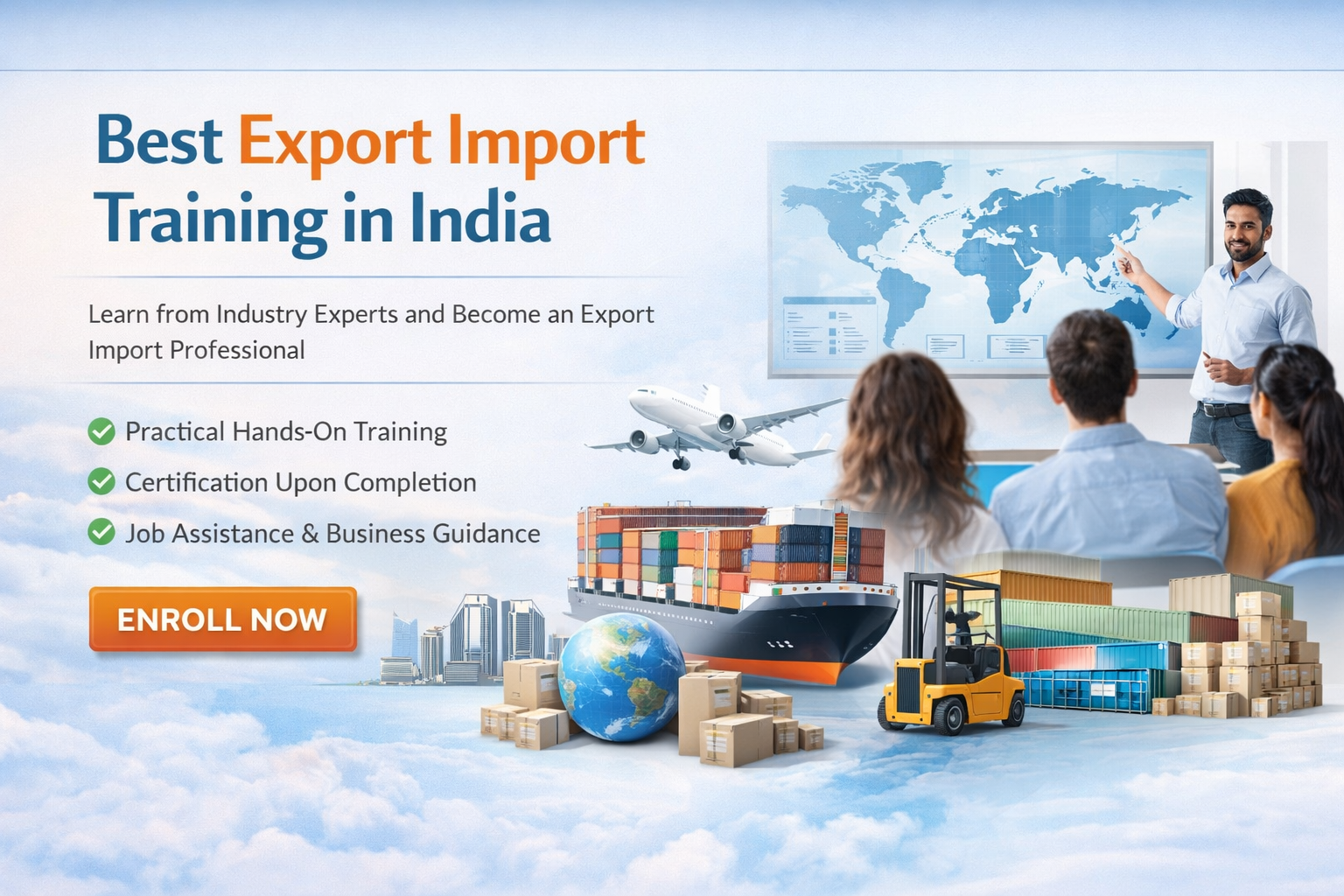
Introduction
Growing Importance of Export Import Training in India
India’s role in international trade is growing each year. More businesses are entering the export and import sector. This growth is driving demand for expert guidance and practical skills. Export import training in India has become a vital stepping stone. It helps individuals and companies understand global business standards. These training programs address real-world challenges faced by traders. They simplify complex regulations and logistics.
The Indian government is also supporting international trade. Various policies and schemes encourage more firms to explore foreign markets. Export import training institutes help professionals navigate these opportunities. They provide up-to-date knowledge and practical tools. This makes the path from local to global smoother for Indian entrepreneurs.
Key Features of Top Training Programs
Leading export import training in India focuses on both theory and application. Courses often include modules on documentation, logistics, customs, and compliance. Trainers use real cases, industry scenarios, and interactive sessions. This approach builds confidence for facing the international market.
One of the main features is mentorship from industry experts. These trainers have years of hands-on experience in export and import. They share their insights, mistakes, and success stories. This offers students a realistic view of what to expect. Quality institutes also provide networking opportunities. Learners can connect with business leaders and peers across India.
| Feature | Benefit |
|---|---|
| Updated Course Content | Keeps learners aware of global changes |
| Practical Assignments | Builds real-world skills |
| Industry Mentors | Offers expert guidance and feedback |
| Networking Events | Helps in building business connections |
Who Can Benefit From Export Import Training?
Export import training in India is not limited to large companies. Small business owners, new graduates, and professionals can all benefit. These programs give freshers an understanding of how international markets work. For established firms, the training helps in scaling operations globally.
Entrepreneurs planning to start export import businesses gain step-by-step guidance. Even employees in logistics and supply chain roles find value. The training opens up new career prospects and business opportunities. Many individuals use these skills to launch their own trading ventures.
Top Training Institutes for Export Import
Leading National Institutes
India offers a range of well-known institutes specializing in export import training. The Indian Institute of Foreign Trade (IIFT) in Delhi is a prominent name. Its curriculum covers international marketing, foreign trade policy, and export documentation. IIFT attracts students and professionals from across the country due to its rigorous approach.
Another respected institute is the Federation of Indian Export Organisations (FIEO). FIEO provides practical courses and certificate programs in export management. Their faculty includes industry veterans and subject matter experts. The Institute of Export Management (IEM) in Chennai is also popular, offering both classroom and online courses on export import procedures.
These institutes focus on practical learning and industry exposure. Their alumni network and placement support give them credibility in the export import sector.
| Institute Name | Location | Key Offerings |
|---|---|---|
| Indian Institute of Foreign Trade (IIFT) | Delhi | Postgraduate and certificate programs |
| Federation of Indian Export Organisations (FIEO) | Multiple | Practical courses, workshops |
| Institute of Export Management (IEM) | Chennai | Classroom and online export import courses |
Regional and Private Training Providers
In addition to national institutes, numerous regional and private institutes excel in export import training. The Export Import Academy in Mumbai is known for its flexible course formats. It provides short-term training, weekend batches, and customized modules for working professionals.
The Institute of International Trade (IIT) in Kolkata offers sector-specific export import training. IIT’s faculty emphasizes case studies and real-world scenarios relevant to current trade challenges. The All India Institute of Export Management (AIIEM) has centers in several cities, expanding access for learners outside metro areas.
Private training centers often collaborate with export houses and logistics companies. This ensures participants gain practical insights and industry-relevant skills.
| Institute Name | Location(s) | Unique Features |
|---|---|---|
| Export Import Academy | Mumbai | Flexible modules, industry tie-ups |
| Institute of International Trade (IIT) | Kolkata | Sector-specific training, case studies |
| All India Institute of Export Management (AIIEM) | Multiple | Multi-city presence, practical focus |
Online Learning Platforms
Online learning options are increasingly popular for export import training in India. Platforms like Udemy, Coursera, and Henry Harvin offer export import certification courses. These courses allow flexible scheduling and self-paced study for busy professionals.
Digital Vidya and NIIT also provide comprehensive online modules. Learners access recorded lectures, live webinars, and interactive assignments. This mode is ideal for those who cannot attend regular classes but want quality export import education.
Many online platforms offer course completion certificates. These certifications support entry into the export import sector or career advancement.
Types of Export Import Training Programs
Certificate Courses in Export Import
Certificate courses in export import are popular for beginners. These programs introduce the basics of international trade. They cover topics such as documentation, regulations, and logistics. Many institutes in India offer short-term certificate courses. The duration of these courses ranges from a few weeks to a few months. They are a good starting point for anyone new to the export import field. Students gain practical knowledge and can apply it immediately.
Some certificate programs focus on practical case studies. They include live sessions with industry professionals. This helps students understand real-world challenges in export import. Popular certificate courses are available both online and offline. These courses usually provide a strong foundation for further learning or career advancement.
Diploma and Advanced Diploma Programs
Diploma and advanced diploma programs are more comprehensive. They are suitable for those looking for in-depth export import training. These programs cover advanced topics like international marketing and global supply chain management. The curriculum often includes risk management, foreign exchange, and customs procedures. Diploma courses can last from six months to a year or more.
These programs are designed to develop professional skills. Students work on projects and participate in workshops. Advanced diploma programs may include internships with trading companies. This gives hands-on experience in export import operations. Many of the best export import training institutes in India offer these programs, providing a pathway to specialized careers.
Specialized and Industry-Specific Training
Specialized training programs focus on specific sectors or export import skills. Examples include agricultural exports, textile exports, and digital trade compliance. These courses address unique requirements and regulations of particular industries. They are ideal for professionals who want to deepen expertise in a chosen field.
Some institutes collaborate with industry bodies to design these courses. Training often includes guest lectures from industry experts. Specialized programs can be short workshops or full-length courses. They help participants gain a competitive edge in the export import market.
| Program Type | Duration | Focus Area | Delivery Mode |
|---|---|---|---|
| Certificate | Few weeks/months | Fundamentals | Online/Offline |
| Diploma | 6-12 months | Advanced Concepts | Offline/Hybrid |
| Specialized | Varies | Industry-specific Skills | Online/Offline |
Benefits of Export Import Training
Enhanced Business Skills and Knowledge
Export import training builds a strong foundation in international trade. Participants learn about regulations, documentation, and logistics. This knowledge helps avoid costly mistakes. Training covers topics like customs procedures and shipping terms, making business decisions more effective.
A structured course provides insights into global market trends. It also covers risk management and currency exchange issues. Understanding these areas increases confidence when entering new markets. Export import training helps professionals stay updated with changes in trade policies.
Career Opportunities and Growth
Completing export import training opens up many job opportunities. Companies prefer hiring candidates who understand export documentation and compliance. Training provides a competitive advantage in the job market.
Many professionals use export import training to start their own businesses. The course covers basics such as product selection and market identification. It also teaches negotiation skills, which are vital for business deals. Export import training can lead to higher salaries and faster promotions in related roles.
Better Risk Management and Compliance
International trade involves many risks, including customs issues and payment problems. Export import training teaches how to deal with these risks. Proper training helps avoid legal trouble and ensures smooth transactions.
Participants learn about compliance with international laws and regulations. This reduces the chance of fines or shipment delays. Training also covers documentation checks, reducing the risk of errors. The knowledge gained from export import training supports better decision-making in complex situations.
| Benefit | Description |
|---|---|
| Enhanced Knowledge | Learn regulations, logistics, and customs procedures. |
| Career Growth | Improve job prospects and business potential. |
| Risk Management | Handle legal and financial risks more effectively. |
| Compliance Mastery | Reduce errors and avoid penalties. |
Conclusion
Choosing the Right Export Import Training
Selecting the best export import training in India can shape your future in international trade. A quality course gives you the tools to understand government regulations. It teaches practical skills for handling customs, logistics, and documentation. You also learn about risk management, payment terms, and INCOTERMS. This knowledge builds a strong foundation for your business or career.
Expert trainers guide you through real-world scenarios. The best institutes include case studies and live projects. These features set apart top export import training programs. They help you handle real challenges in the field. Choosing a program with experienced faculty makes your learning experience effective.
Key Benefits of Top Training Institutes
The best export import training in India offers industry-recognized certifications. These certifications open doors to jobs and business opportunities. Many top institutes provide placement support and networking with industry leaders. You get access to guest lectures, workshops, and mentorship.
Below is a table summarizing key features to look for:
| Feature | Importance |
|---|---|
| Experienced Trainers | High |
| Live Projects | High |
| Placement Support | Very High |
| Certification | Essential |
| Updated Curriculum | Important |
With the right training, you become confident in export import procedures. You understand market trends and compliance requirements. This helps you avoid costly mistakes and run a smooth operation.
Building a Successful Career in Export Import
Export import training builds your skills for a dynamic career. You learn about emerging markets and product selection. Training also covers shipping, insurance, and legal aspects. These topics are vital for success in the global market.
Staying updated with the latest practices ensures long-term growth. The best export import training in India focuses on both theory and practice. If you plan to start your own business or join a company, this training gives you an edge. Your confidence grows as you apply your learning to real trade situations.