


 Admin
Admin 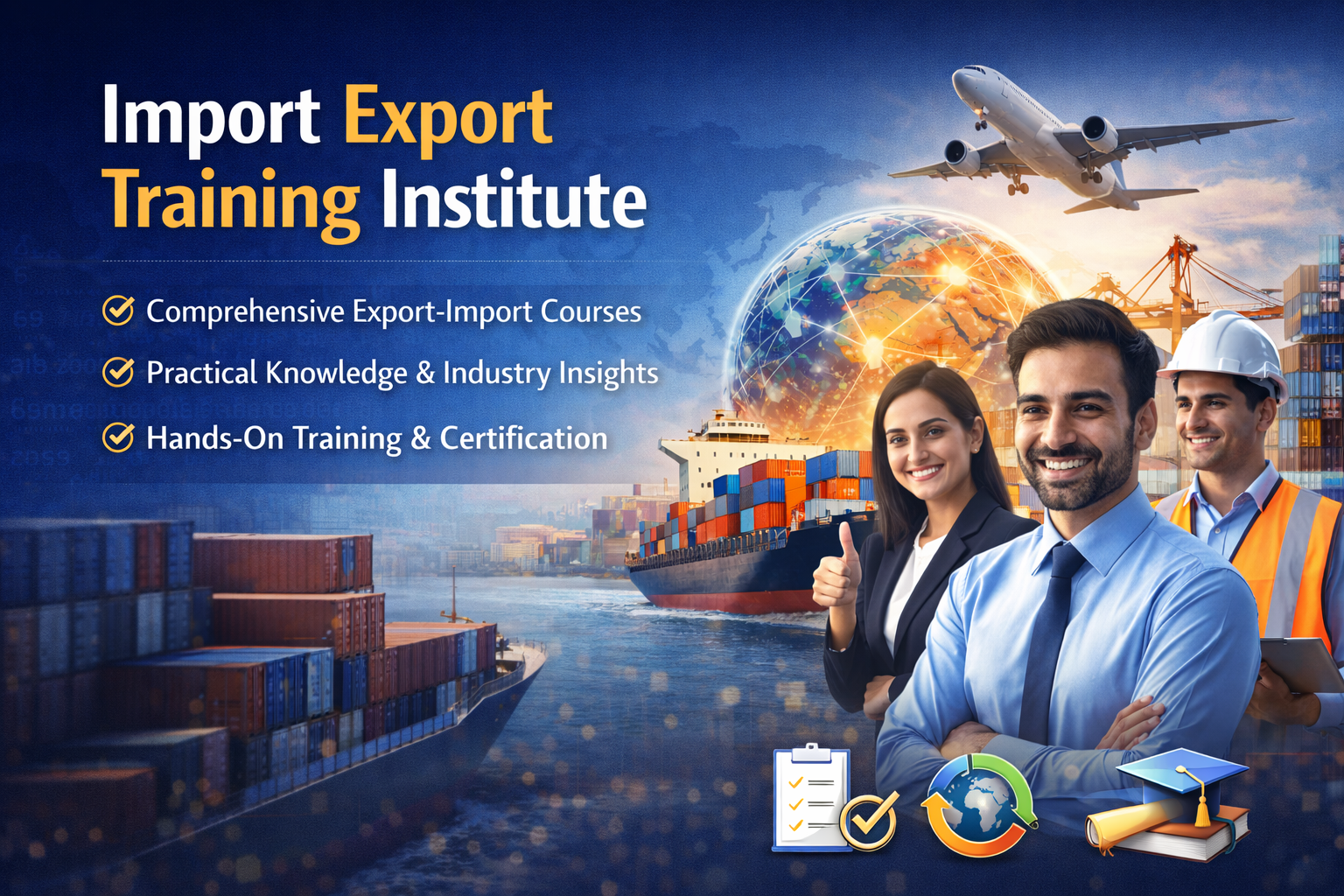
Introduction to Import Export Training
The Growing Importance of Global Trade
Global trade has become a vital part of many economies. It supports business growth and opens new markets. Import export activities have created opportunities in almost every sector. Companies seek skilled professionals who understand the complexities of international trade. Import export training is now essential for anyone looking to build a career in this field.
With the rise in demand, import export training institutes have emerged to offer specialized courses. These institutes focus on the practical and theoretical aspects of global trade. Participants gain knowledge about customs regulations, shipping procedures, and documentation. Training also covers market research, negotiation skills, and compliance with international standards.
What is Import Export Training?
Import export training is a structured learning process. It prepares individuals for the challenges of international business. Courses often start with an overview of global trading principles. The curriculum then covers key topics like international logistics, payment methods, and risk management. Real-world case studies help students apply knowledge to actual business scenarios.
Many import export training institutes design their programs for both beginners and experienced professionals. They use expert instructors who have worked in the import export industry. Learning can take place in classrooms or through online platforms. Most institutes also provide resources such as study materials and interactive sessions.
Benefits of Joining an Import Export Training Institute
Enrolling in an import export training institute unlocks many advantages. Participants acquire updated industry knowledge and hands-on experience. They understand the legal and financial aspects of cross-border trade. Certification from a recognized institute adds value to a professional resume.
Institutes often connect students with industry networks and job opportunities. They support career growth by offering placement services and internships. Graduates become confident in handling import export tasks, from documentation to negotiations. Proper training ensures success in the competitive global market.
Types of Import Export Training Programs
Certificate and Diploma Courses
Import export training institutes often offer certificate and diploma programs. These programs are designed for beginners and professionals looking to understand the basics of international trade. Topics covered include export documentation, customs procedures, and global marketing strategies. Certificate courses usually last a few weeks, while diploma courses can span several months.
Many students choose certificate programs to quickly gain practical skills. Diploma courses go deeper, often including modules on trade laws, foreign exchange, and supply chain management. Institutes use case studies and real-world examples to provide relevant knowledge. These courses help learners develop confidence before entering the industry.
Specialized Training Modules
Some import export training institutes offer specialized training modules. These focus on specific areas such as international logistics, export finance, or global sourcing. Specialized modules allow participants to target their learning based on career goals or business needs.
Modules like these may include focused workshops or short-term classes. For example, a module on export-import documentation covers the paperwork needed for compliance. Another module may address logistics, including shipping, warehousing, and freight forwarding. This targeted approach makes training flexible and suitable for different backgrounds.
Online and Distance Learning Programs
Import export training has adapted to the digital era with online and distance learning programs. Many institutes now provide virtual classes, webinars, and recorded lectures. These options help working professionals and remote learners access training at their own pace.
Online programs often include interactive elements such as quizzes, discussion forums, and live Q&A sessions. Distance learning enables learners to study from any location while still receiving guidance from experienced trainers. This flexibility attracts a diverse group of students, making the institute’s programs more accessible to a global audience.
| Program Type | Duration | Mode |
|---|---|---|
| Certificate Course | 2-6 weeks | Offline/Online |
| Diploma Course | 3-12 months | Offline/Online |
| Specialized Training Module | 1-4 weeks | Offline/Online |
Key Skills Learned in Import Export Training
Understanding Documentation and Compliance
Import export training covers the foundation of international trade documents. One learns how to prepare invoices, packing lists, and shipping bills. Each document has a specific role in the process. Training also focuses on compliance with international regulations. Understanding customs laws is vital. Certain products have restrictions or need special permits. Courses highlight how to keep records and avoid errors. This reduces the risk of fines or delays.
Mastering Logistics and Supply Chain Management
Logistics is a core skill developed in import export training. Students study how to choose freight forwarders and shipping lines. One learns to compare sea, air, and land transport for each situation. Training often includes case studies on warehouse management and goods handling. Learners also analyze supply chain networks to save time and money. Risk management is discussed, focusing on insurance and damage control. This helps protect goods during transit. Hands-on activities reinforce these skills.
Developing Negotiation, Communication, and Market Analysis Skills
Effective negotiation is key to successful import export transactions. Training programs teach negotiation tactics with suppliers and buyers. Communication skills are stressed for building strong relationships. Trainees practice drafting emails and contacting foreign partners. Market analysis is another important focus. One learns how to identify demand and assess competitor activities. Import export institutes also provide guidance on using trade data and analytics tools. This helps in making informed decisions and entering new markets with confidence.
Choosing the Right Import Export Training Institute
Key Factors to Consider
Selecting the right import export training institute is crucial for a strong foundation in international trade. Begin by checking the institute’s accreditation and reputation. Look for reviews from previous students and see if the institute is recognized by relevant trade bodies. A certified institute ensures that the training provided meets industry standards.
Next, evaluate the course curriculum. It should cover topics such as documentation, logistics, international marketing, and compliance regulations. A well-rounded program prepares students for various challenges in the import export sector. Institutes that update their courses regularly reflect commitment to current industry trends.
Faculty and Learning Resources
The expertise of the faculty is a vital aspect in choosing an import export training institute. Instructors should have practical experience in international trade. This provides valuable real-world insights, not just theoretical knowledge. Review the faculty profiles on the institute’s website to confirm their qualifications.
Assess the learning resources offered by the institute. These can include e-books, case studies, and simulation exercises. Access to modern learning tools will enhance the training experience. Some institutes also offer online classes and recorded sessions, adding flexibility to the learning process.
Placement Support and Networking Opportunities
Check if the import export training institute provides placement assistance to its students. Institutes with strong links to the industry can help students secure internships and job placements. Ask about the success rate of previous batches when it comes to job placements.
Networking opportunities are equally important. Institutes that organize workshops, guest lectures, and trade events allow students to connect with professionals in the field. This exposure can open doors to new opportunities and industry contacts. A good institute should also have a strong alumni network that benefits current learners.
Conclusion and Future Prospects
Key Takeaways from Import Export Training Institutes
Import export training institutes play a vital role in shaping skilled professionals. They offer courses that cover customs regulations, documentation, logistics, and global trade norms. These institutes focus on practical knowledge, industry updates, and government policies. Students gain hands-on experience in preparing export-import documents and learning market entry strategies. They develop essential skills for dealing with supply chain complexities and compliance standards. A good institute also provides guidance on trade finance and banking procedures.
Graduates of such training programs are well-prepared for various job roles in the international business sector. They can pursue careers as export managers, documentation executives, and logistics coordinators. Institutes often support learners with job placement assistance, helping them enter reputable organizations. The combination of strong curriculum, expert trainers, and industry exposure ensures graduates are ready for real-world challenges.
The Growing Demand and Evolving Opportunities
The demand for skilled professionals in import export is rising. Globalization and expanding international trade have opened new business avenues. Import export training institutes adapt their curriculum to meet current industry requirements. They include topics such as digital trade, e-commerce logistics, and international marketing trends. This prepares students for both traditional and emerging sectors.
Technological advancements are changing how global trade operates. Institutes now integrate learning modules on automation, artificial intelligence, and data analytics in trade. This equips students with skills for modern supply chains. As regulations and market dynamics shift, training programs update their content to stay relevant.
Future Prospects and Industry Growth
Import export training offers promising prospects for both individuals and businesses. Job seekers gain access to high-growth career paths in trading, shipping, and consultancy. Entrepreneurs use the knowledge to expand their ventures and reach new markets. Many institutes plan to expand their offerings, including online learning and specialized modules.
The industry expects further growth as international trade continues to evolve. Training institutes will likely collaborate with global firms to offer internships and real-world projects. As new trade agreements and digital platforms emerge, graduates with up-to-date skills will remain in high demand.